


Nutrition Strategies for Women Aiming to Lose Body Fat
Losing body fat can feel like a constant challenge, especially when you’re juggling work, family, and social life. But the right nutrition approach can make a big difference in your progress and how you feel along the way. This post will guide you through practical, effective nutrition strategies designed specifically for women who want to lose body fat while maintaining energy and overall health.
Understand Your Body’s Needs
Your body is unique, and your nutrition plan should reflect that. Women often have different hormonal patterns and metabolic rates compared to men, which affects how your body stores and burns fat. To support fat loss, focus on:
Protein intake: Protein helps preserve muscle mass during fat loss and keeps you feeling full longer. Aim for about 1.2 to 1.6 grams of protein per kilogram of your body weight daily. Good sources include lean meats, fish, eggs, dairy, legumes, and plant-based proteins.
Balanced carbohydrates: Choose complex carbs like whole grains, vegetables, and fruits. These provide steady energy and fiber, which supports digestion and satiety.
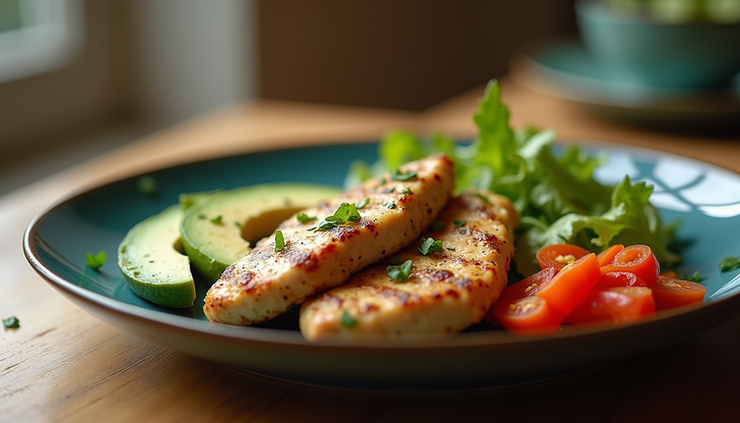
Healthy fats: Include sources like avocados, nuts, seeds, and olive oil. Healthy fats support hormone balance and brain function.
Tracking your macronutrients can help you stay on target without obsessing over every calorie. Apps or food journals can be useful tools.
Prioritize Whole, Nutrient-Dense Foods
Processed foods often contain added sugars, unhealthy fats, and empty calories that can stall fat loss. Instead, build your meals around whole foods that nourish your body:
Fresh vegetables and fruits
Whole grains like quinoa, brown rice, and oats
Lean proteins such as chicken breast, turkey, tofu, and fish
Healthy fats from nuts, seeds, and oils
Eating nutrient-dense foods helps you feel satisfied and energized, reducing cravings for less healthy options.
Manage Meal Timing and Portions
How and when you eat can influence fat loss. While there’s no one-size-fits-all schedule, some strategies work well for many women:
Regular meals: Eating every 3 to 4 hours can keep your metabolism steady and prevent overeating later.
Portion control: Use smaller plates or measure servings to avoid unintentionally large portions.
Mindful eating: Pay attention to hunger and fullness cues. Eating slowly and without distractions helps you recognize when you’re satisfied.
Some women find success with intermittent fasting, but it’s important to listen to your body and choose an approach that fits your lifestyle.
Stay Hydrated and Limit Sugary Drinks
Water supports metabolism and helps your body process nutrients efficiently. Aim for at least 8 cups (about 2 liters) of water daily, more if you exercise or live in a hot climate.
Avoid sugary drinks like sodas, sweetened teas, and many fruit juices. These add calories without filling you up and can increase fat storage.
Include Fiber for Better Digestion and Satiety
Fiber-rich foods slow digestion, helping you feel full longer and stabilizing blood sugar levels. Women should aim for about 25 grams of fiber daily. Good sources include:
Vegetables like broccoli, carrots, and leafy greens
Fruits such as berries, apples, and pears
Whole grains like oats and barley
Legumes including lentils, chickpeas, and beans
Adding fiber gradually and drinking plenty of water can prevent digestive discomfort.
Plan for Sustainable Changes, Not Quick Fixes
Rapid diets or extreme calorie cuts often lead to muscle loss, nutrient deficiencies, and rebound weight gain. Instead, focus on:
Setting realistic goals, such as losing 0.5 to 1 pound per week
Making gradual changes you can maintain long term
Allowing occasional treats to avoid feelings of deprivation
Sustainable nutrition habits support lasting fat loss and overall well-being.
Combine Nutrition with Physical Activity
Nutrition is key, but combining it with regular exercise enhances fat loss and muscle tone. Strength training helps preserve lean muscle, which boosts metabolism. Cardiovascular activities like walking, cycling, or swimming burn calories and improve heart health.
Aim for at least 150 minutes of moderate exercise per week, mixing strength and cardio based on your preferences.
Book a free call with me for your FREE nutrition guide www.janellegallo.com
Comments